In today’s fast paced software world, identifying why something broke is often harder than detecting the bug itself. Root cause analysis has traditionally required long hours of shifting through logs, dashboards, and test reports. With the rise of AI-powered root cause analysis, teams now have a smarter way to approach this challenge, one that not only speeds up investigations but also brings a new level of clarity to problem solving.
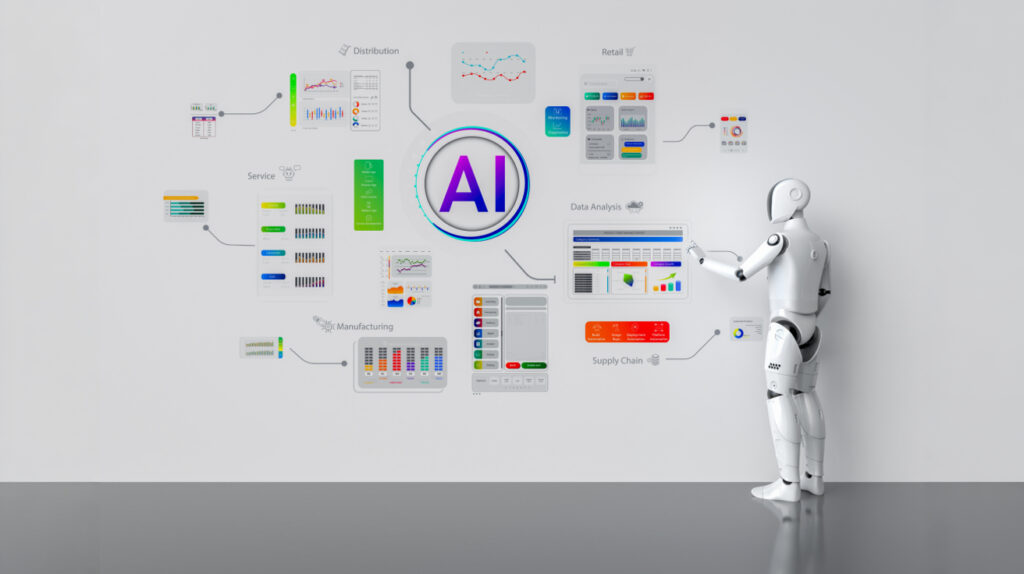
AI tools can process vast amounts of test data, logs, and performance metrics to spot patterns that humans might overlook. Instead of searching blindly, these systems highlight the most likely source of failure be it a code change, a configuration error, or a system bottleneck. This helps QA and development teams move quickly from “what happened” to “why it happened,” reducing delays and improving overall software quality.
Another benefit is the way AI streamlines collaboration. By grouping similar issues, pointing out dependencies, or connecting errors back to specific builds, AI helps ensure that developers and testers are on the same page. This kind of insight makes it easier to reproduce issues, validate fixes, and prevent repeat problems. The result is faster resolution times and more reliable releases.

The potential use cases go far beyond just bug fixing. Imagine AI monitoring logs in real time, alerting teams when a trend looks unusual, or proactively suggesting which modules to test after a change. It can also strengthen release confidence by reducing the guesswork involved in debugging complex, multi service applications, something increasingly vital in today’s cloud driven architecture.
AI powered root cause analysis is not just about speed; it’s about building smarter systems that learn and adapt. As organizations continue to adopt these tools, QA is evolving from reactive bug detection into a proactive quality partner. This shift enables faster releases, fewer production issues, and stronger trust in the software being delivered.
Conclusion
AI is shaping the future of QA by making root cause analysis faster, clearer, and more reliable. By adopting these intelligent tools, teams can reduce firefighting, improve collaboration, and deliver high quality software with confidence. The real advantage lies not just in fixing problems faster, but in creating a foundation where continuous learning and improvement become part of everyday testing practice.