Introduction
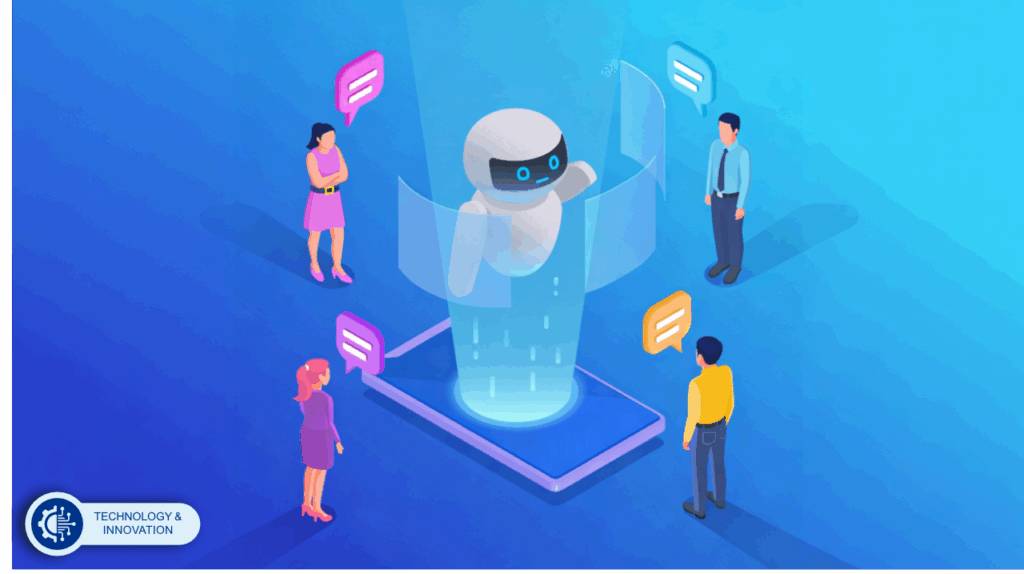
Customer service is one of the businesses that has been most significantly impacted by the rapid growth of artificial intelligence (AI). Businesses can now provide improved services with AI-powered chatbots thanks to the integration of AI. These clever bots offer real-time customer support, guaranteeing round-the- clock interaction and increasing productivity. However, when combined with robotic process automation (RPA), these AI chatbots can reach their full potential. Businesses can automate backend procedures and consumer interactions by merging these two technologies, resulting in a smooth and effective workflow. This essay examines how AI-powered chatbots and RPA work together, how they enhance one another, the advantages they provide to companies, and the obstacles that must be removed for successful integration.
What is AI-Powered Chatbots?
Digital assistants that communicate with clients using machine learning (ML) and natural language processing (NLP) algorithms are known as AI-powered chatbots. By deciphering the context and intent of user inputs, AI chatbots are able to comprehend and react to complicated queries, in contrast to traditional chatbots that depend on prewritten scripts. By simulating human-like dialogues and offering tailored responses based on past interactions or saved data, these chatbots can mimic human communication.
AI chatbots can perform a variety of duties, including processing transactions, resolving problems, answering frequently asked questions (FAQs), and even making product suggestions. As they gather experience, their capacity to learn and adjust over time enables them to enhance client interactions and offer more precise and pertinent solutions.

What is Robotic Process Automation
Robotic Process Automation Refers to the use of software bots to automate repetitive, rule-based operations that were previously completed by humans is known as robotic process automation, or RPA. Data input, document management, invoice processing, and other administrative responsibilities are examples of these jobs. RPA bots enable businesses to do away with manual procedures, minimize human error, and save time by interacting with apps and systems in the same way that a human would.
Although RPA technology is usually restricted to established rules and structured data, it is quite effective at automating processes that demand a high degree of precision and consistency. RPA can, however, develop into a more sophisticated and flexible system that can manage unstructured data and more difficult jobs when paired with AI technologies like machine learning and natural language processing.
The Synergy Between AI-Powered Chatbots and RPA
Although RPA and AI chatbots are both potent tools in and of themselves, their combination produces the real magic. RPA and AI chatbots work together to provide a complete automation solution that can handle back-end corporate operations as well as front-end customer engagements. By combining these two technologies, companies may increase operational efficiency and provide seamless client experiences.

Improved Customer Experience
Artificial intelligence (AI)-driven chatbots offer prompt answers to consumer questions, whether they be about a problem, an inquiry, or how to proceed. However, these chatbots can now automatically initiate backend procedures when they are connected with RPA. For instance, the AI chatbot may retrieve client data and provide real-time updates if a consumer inquiry about their purchase status or account balance. The chatbot can start the required RPA workflows to finish the process without human assistance if the consumer asks to modify an order or return an item.
In addition to increasing response times, this integration lowers the possibility of human error, guaranteeing that client inquiries are handled precisely and effectively.

Automating Complex Task
RPA and AI-powered chatbots can manage increasingly complicated jobs that need backend operations as well as client engagement. When a consumer needs help with a billing issue, for example, the AI chatbot can collect the required data and then set off an RPA bot to look up the customer’s account history, handle payments, or, if required, escalate the matter to a human agent. Efficiency and customer satisfaction are increased by the smoother transitions between automation and human interaction made possible by this task flow.
RPA bots can also operate continuously, doing jobs like sorting through massive volumes of data or handling several requests at once that could take a human hours or days to finish.
Cost and Time Efficiency
Businesses can save a lot of money by combining RPA with AI-powered chatbots. AI chatbots can manage several consumer conversations at once, negating the need for a sizable customer service staff. RPA also automates tedious back-office tasks, allowing staff members to concentrate on more intricate, valuable tasks. This results in better resource allocation, increased production, and lower overhead expenses.
RPA bots are capable of working continuously, handling tasks and requests without the need for breaks or downtime. This feature lowers personnel expenses while enabling firms to provide clients with ongoing support, even after regular business hours.

Use Cases of AI-Powered Chatbots and RPA Integration: Automation of Customer assistance
By processing queries more quickly, AI chatbots combined with RPA have the potential to completely transform customer assistance. An AI chatbot, for instance, can assist clients in the banking industry with financial transfers, fraud reports, and account balance checks. The RPA bot may automatically initiate and perform a transaction that a customer wants that involves backend systems, like changing account details or sending money, and provide real-time updates to the customer. In addition to lessening the strain for human agents, this automation guarantees that clients receive prompt and correct responses, which raises customer satisfaction levels.
Retail & E-Commerce
AI-driven chatbots combined with RPA can expedite the whole buying process in e-commerce. Consumers can browse products, verify availability, and even pay via a chatbot. Without the need for human involvement, the RPA bot can handle the payment, start the shipping process, and trigger inventory modifications after a purchase is confirmed. A more seamless client experience and quicker order fulfilment are the results of this automation.
Healthcare Services
AI chatbots and RPA together can greatly increase administrative effectiveness and patient engagement in the healthcare industry. AI chatbots can assist patients with basic health advice, appointment scheduling, and medical history checks. The AI chatbot may instruct RPA bots to automatically update the relevant systems in the event that a patient wants to amend their medical information or reschedule an appointment, removing the need for human data entry and lowering the possibility of mistakes.

Conclusion
Customer service and corporate operations are evolving due to the mix of AI- powered chatbots and robotic process automation. When combined, these technologies offer a potent solution that raises customer satisfaction, lowers expenses, and increases efficiency. Businesses will need to integrate AI and RPA more and more as they embrace digital transformation in order to remain competitive in a market that is changing quickly. The advantages of automating backend and customer-facing procedures are evident, notwithstanding some obstacles to overcome. Businesses may pave the road for a smarter, more responsive future by implementing this technology and fostering a more smooth, effective, and customer-focused workplace.