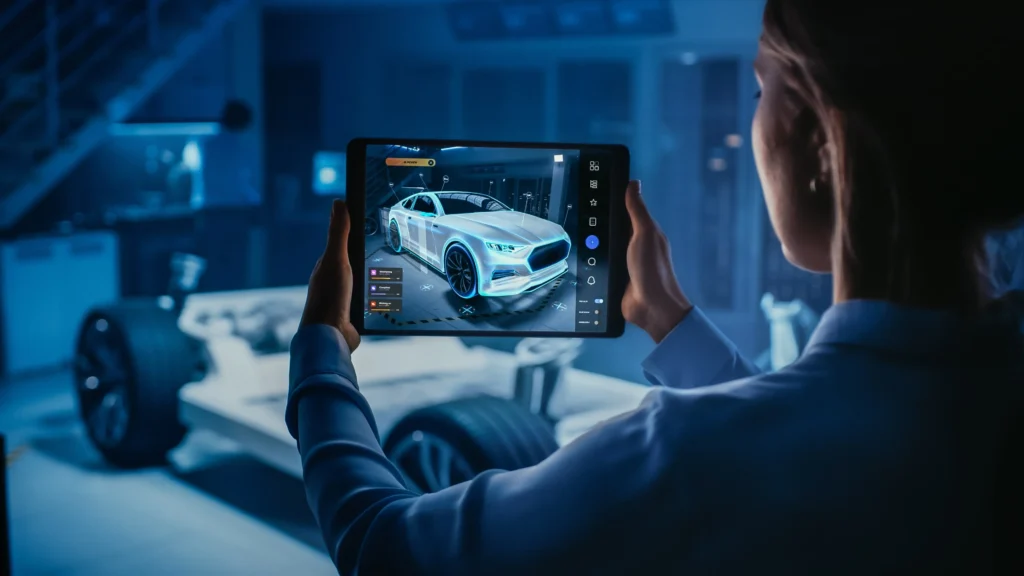
Augmented Reality (AR) is no longer a futuristic concept; it has become an integral part of our lives, reshaping how we interact with the world. AR enhances our perception by overlaying digital content—such as images, sounds, and other sensory stimuli—onto the real world, creating a blended experience that is both engaging and practical. AR is revolutionizing industries such as gaming, healthcare, education and retail, at an unprecedented pace.
What is Augmented Reality?
At its core, AR is a technology that integrates digital elements into the real world, enriching it with interactive, computer-generated enhancements. Unlike Virtual Reality (VR), which immerses users in a fully virtual environment, AR enhances the physical world by adding digital layers visible through devices like smartphones, tablets, AR glasses, or headsets.
Some well-known examples of AR include:
- Snapchat filters, where graphics and animations are overlaid on faces.
- Pokémon GO, the mobile game that gained significant popularity when it was first released
- Google AR Search, which allows users to view life-sized 3D models of animals or objects in their environment through their smartphone.

How Does AR Work?
AR has many key technologies that help create its magic:
- Hardware: Devices like cameras, sensors, processors, and displays capture real-world data and project augmented visuals. AR glasses and headsets like Microsoft HoloLens provide an immersive experience, while smartphones make AR widely accessible.
- Software: AR applications use advanced algorithms and software platforms like ARKit (Apple) and ARCore (Google) to process real-world input and generate corresponding digital elements.
- Environment Mapping: AR employs tools like Simultaneous Localization and Mapping (SLAM) to understand the physical surroundings and anchor virtual objects in space.
- Artificial Intelligence (AI): AI enhances AR by enabling object recognition, gesture control, and real-time decision-making, ensuring seamless integration of the digital and physical worlds.
Applications of Augmented Reality
AR has been slowly making big changes across various sectors:
- Gaming and Entertainment: AR have revolutionized gaming by creating interactive and shared experiences. A notable example is Pokémon GO, which encourages players to engage with their environment. Additionally, AR in movies and live events delivers captivating, immersive narratives.
- Healthcare: AR is invaluable for medical professionals. Surgeons can employ AR to map out organs and refine surgical techniques. Tools like AccuVein enable accurate vein detection for injections, enhancing patient outcomes.
- Retail and E-commerce: AR is transforming the shopping experience with virtual try-ons for apparel, accessories, and home furnishings. Certain furniture apps enable users to see how pieces would fit in their spaces before buying, increasing customer confidence and satisfaction.
- Education and Training: AR creates an engaging and interactive learning environment. Students can explore concepts such as the solar system in 3D or perform virtual dissections. In vocational training, AR facilitates realistic simulations in fields such as aviation, defense, and manufacturing.
- Real Estate: AR-powered virtual tours allow potential buyers to experience properties remotely. Architects and designers also leverage AR to provide a visual preview of completed spaces, expediting project approvals.
- Travel and Tourism: AR enhances travel by delivering contextual, real-time details about historical landmarks, museums, and other attractions. Tools like Google Lens offer live translations and in-depth information, enriching travelers’ experiences.

Benefits of AR
- Enhanced Engagement: AR captivates users, creating immersive and memorable experiences.
- Improved Efficiency: From training to surgeries, AR speeds up processes by offering precise visualizations.
- Cost Savings: Businesses can save money by reducing reliance on physical prototypes or manual demonstrations.
- Accessibility: With smartphone penetration, AR technology is accessible to billions of users worldwide.
Challenges in AR Development
Despite its immense promise, AR still contends with several challenges, such as:
- Hardware Constraints: High-end AR devices are often costly and cumbersome.
- Content Development: Creating top-notch AR experiences demands specialized skills and significant resources.
- Privacy and Security: AR apps that gather real-world data can spark concerns over data security and user privacy.
The Future of Augmented Reality
The future of AR is bright, with advancements in 5G, AI, and wearable technology set to fuel its growth. By 2030, AR could be an essential tool in everyday life, transforming industries like telemedicine, remote work, and urban planning.
AR’s journey is just beginning, but its potential is boundless. As it continues to evolve, it promises to bridge the gap between the physical and digital worlds, making our interactions more intuitive, immersive, and innovative.
In a world where reality and imagination intersect, AR serves as a powerful reminder that the future is now.