Is Your Gut Making You Drunk?
After eating a heavy meal, imagine yourself driving home. You were caught for suspected drunk driving even though you didn’t have any alcohol that day. If that situation happens, this could help you learn more about Auto-brewery syndrome, a rare but unusual disorder in which body turns food into alcohol. Many people have impacted greatly because of this illness; some have lost their jobs or been accused with driving under the influence. Here’s a bit of analysis of this.
Introduction
Auto-Brewery Syndrome (ABS) or gut fermentation syndrome is a rare medical condition where the body produces alcohol from within. This can lead to signs of intoxication without consuming alcohol, causing confusion, legal issues, and health risks. Understanding ABS is critical for medical professionals and those affected.
What is Auto-Brewery Syndrome?
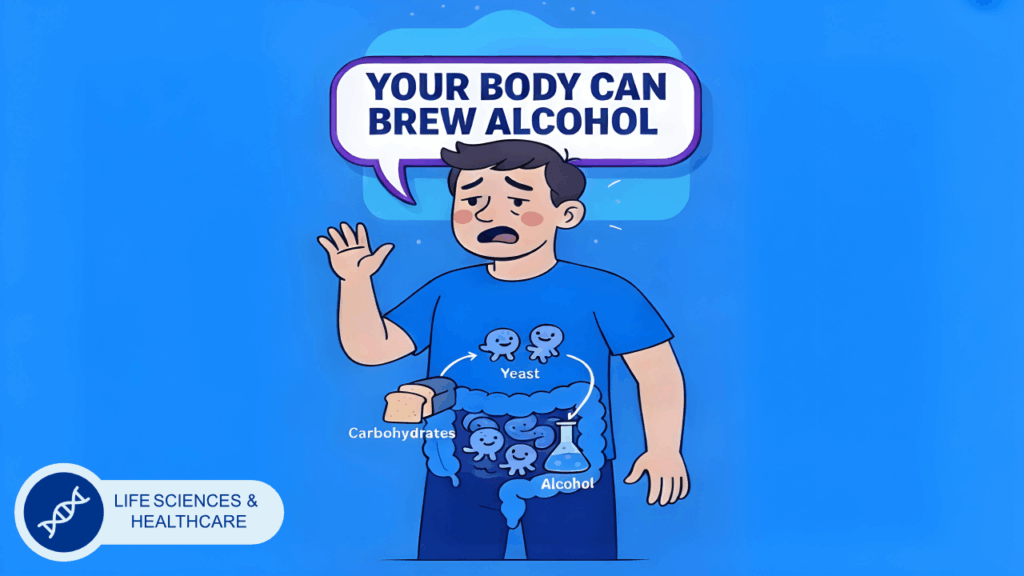
Auto-Brewery Syndrome occurs when certain yeast or bacteria within the intestines, such as Saccharomyces cerevisiae, break down carbohydrates into ethanol by a process of fermentation. This can lead to an elevated blood alcohol level even when no alcohol is consumed. The problem is often linked with a compromise in gut bacteria or an underlying condition like diabetes or Crohn’s disease.

Symptoms and Diagnosis
Symptoms of ABS are dizziness, fatigue, mood changes, and confusion, very similar to those of drunkenness. Diagnosis comprises monitoring blood alcohol concentration, which often involves breath tests, after the consumption of carbohydrate-rich meals. A thorough medical history and examination of gut flora may be necessary as well.
Auto-brewery syndrome may be tricky to diagnose because its symptoms can be mistaken for alcohol consumption. Many affected people have years of undiagnosed illness, often facing scepticism from doctors, family members, and employers. To confirm the diagnosis, a detailed medical evaluation is needed.
Causes and Risk Factors
The precise etiology of ABS isn’t entirely understood, but it is believed to be related to gut dysbiosis, where harmful bacteria outnumber beneficial ones. High-carbohydrate diet, prior antibiotic exposure, and gastrointestinal surgery are potential risk factors. Immune-related diseases, including diabetes, may also increase the risk.
Treatment and Management
Treatment for ABS involves a combination of dietary adjustments, antifungal medications, and probiotics to restore gut balance. Reducing carbohydrate intake is often recommended to reduce the substrate available for fermentation. In serious cases, extended antifungal therapy or surgery may be necessary.
Living with Auto-Brewery Syndrome
Treating ABS requires ongoing attention to diet and digestive health. Patients must work with medical professionals to monitor symptoms and adjust treatment as needed. Keeping your loved ones informed is crucial if you have auto-brewery syndrome. It will be easier for them to understand why you could be experiencing intoxication symptoms after eating a high-carb meal.

Conclusion
Auto-Brewery Syndrome is a complex and often misunderstood disorder that can have a profound impact on one’s life. Proper diagnosis, ideal treatment, and changes in lifestyle are crucial for symptom management and quality of life improvement. Awareness about ABS is growing, but more research is required to fully understand and address this rare syndrome.