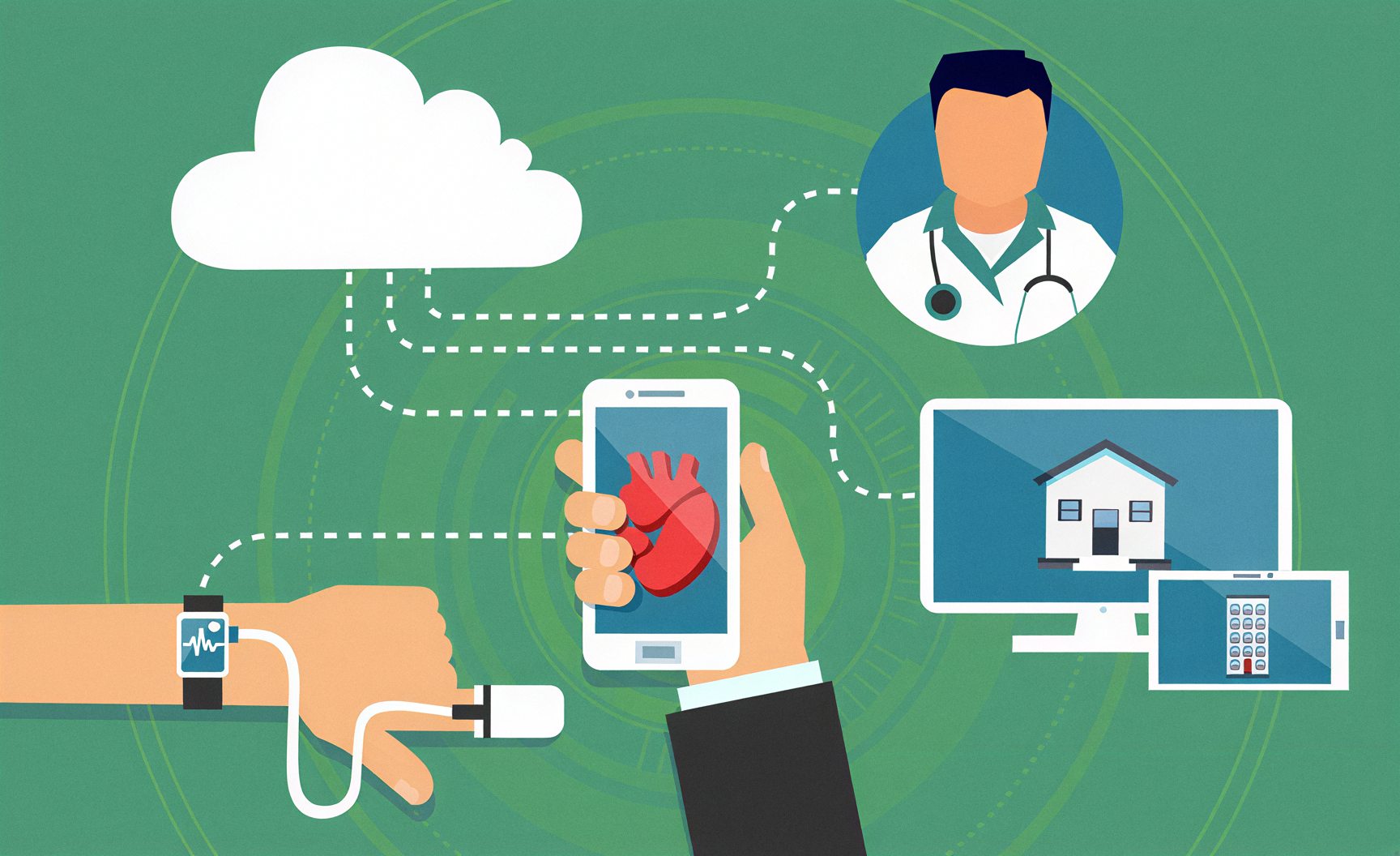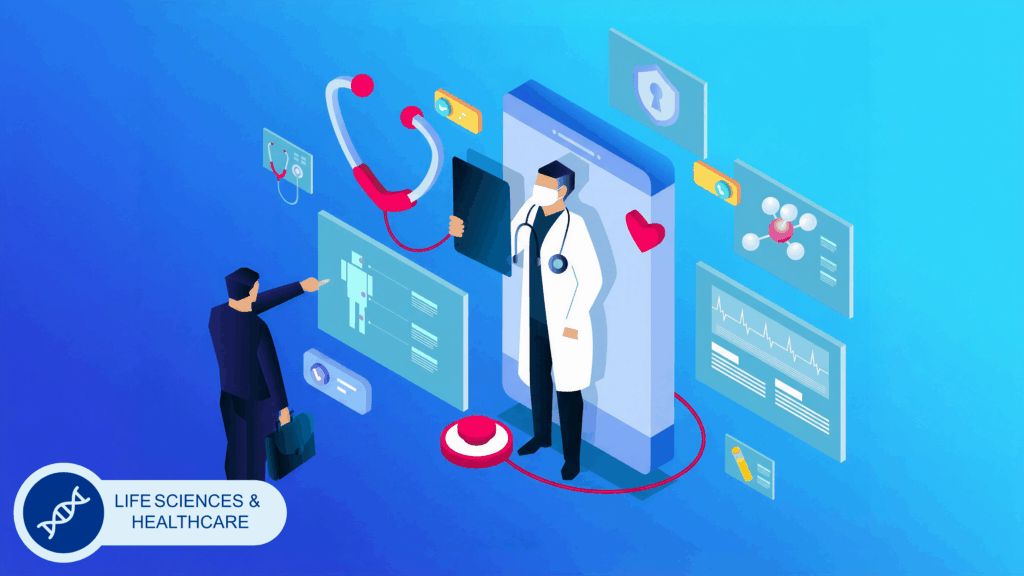
Digital therapeutics (DTx) are remodeling how persistent ailments are managed through turning into clinically validated interventions via software-based total platforms. By leveraging generation, those solutions offer personalized, scalable, and without problems, handy to take care of individuals residing with situations which include diabetes, excessive blood stress, heart sickness, and respiration problems.
CORE ELEMENTS OF DIGITAL THERAPEUTICS
Customized Care Pathways
DTx structures examine affected person statistics to design individualized treatment plans. Programs just like the Fitter fly diabetes platform have shown measurable enhancements in blood sugar manipulation and weight outcomes for human beings with kind 2 diabetes.
Ongoing Tracking and Instant Feedback
Using wearables and cell apps, virtual therapeutics continuously display key fitness indicators inclusive of glucose stages, blood pressure, and activity patterns. This actual-time perception permits clinicians to adjust care strategies directly, supporting extra effective ailment control.
Behaviour Change Support
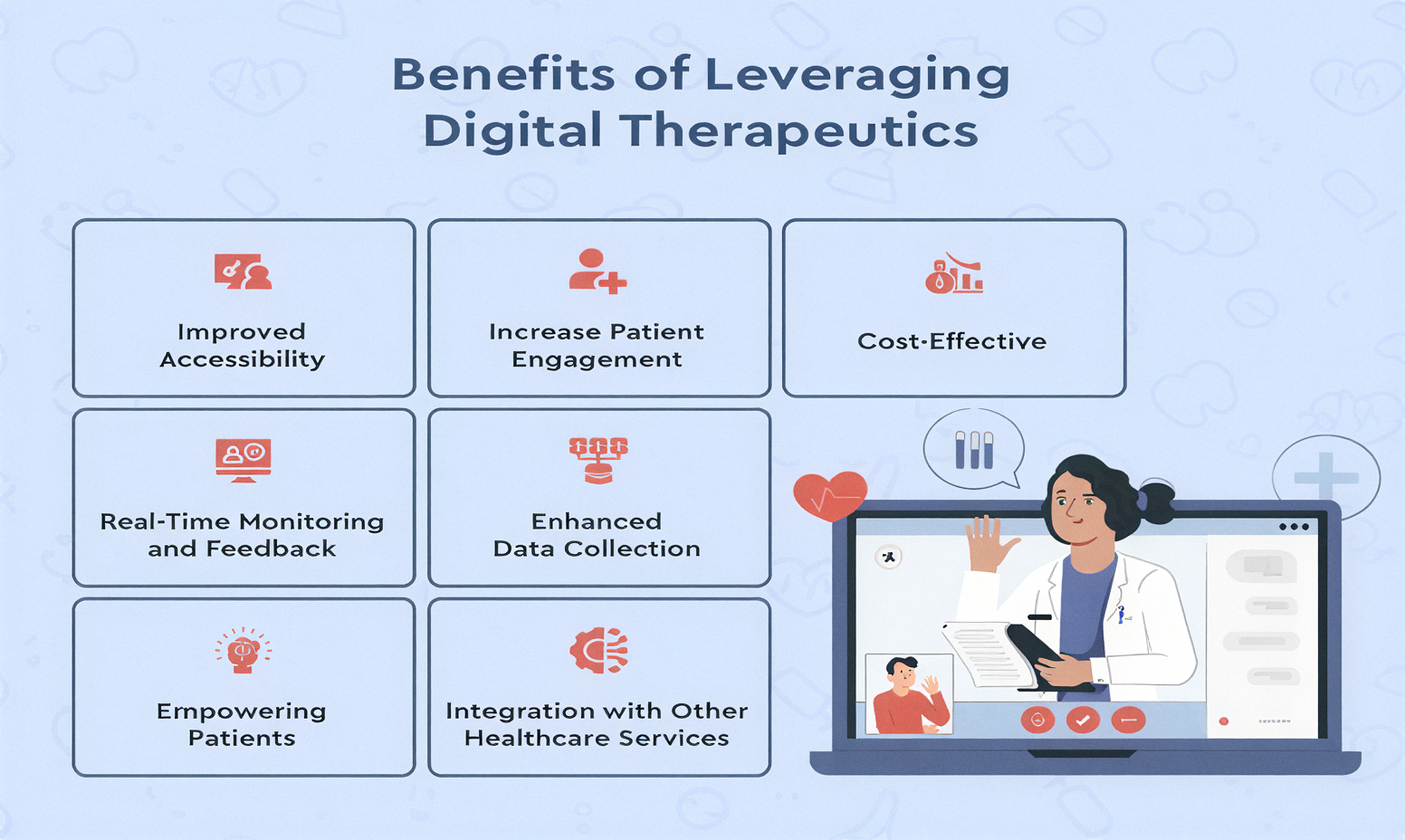
After defining goal setting, self-reviewing, and encouragement, the DTx solution enables patients to make constructive changes. Due to their game-like features and community interaction, patient engagement increases which leads to patient compliance.
Clinical Validation and Outcomes
Studies, which includes systematic reviews and meta-analyses, display that telehealth-based total interventions enhance self-care and quality of existence for people with continual situations. Research on the Hello Heart application additionally highlights sustained reductions in blood pressure among people with degree II high blood pressure over extended intervals.
Financial Impact and Value
Digital therapeutics have the capacity to reduce healthcare fees by minimizing medical institution visits, stopping complications, and assisting lengthy-time period disorder control via far off care.
SETBACKS AND UPCOMING PERSPECTIVES
Regulation and Coverage:
The approval system for DTx is currently in flux, not being standardized among jurisdictions. The reimbursement system is non-existent. Those engaged in DTx development must generate products that adhere to regulatory standards concerning safety and clinical advantages and secure assessment approval for sale and insurance coverage.
Privacy and Data Protection:
Safeguarding patient information is critical, requiring robust protection frameworks and compliance with data safety laws.
System Integration:
Successful adoption depends on aligning DTx systems with present healthcare workflows via collaboration amongst developers, carriers, and policymakers.
CONCLUSION
Digital therapeutics provide an effective shift in persistent disorder control via combining personalization, scalability, and value performance. As innovation continues, their integration into mainstream healthcare has the ability to decorate affected persons’ consequences and ease the global burden of long-time illness.