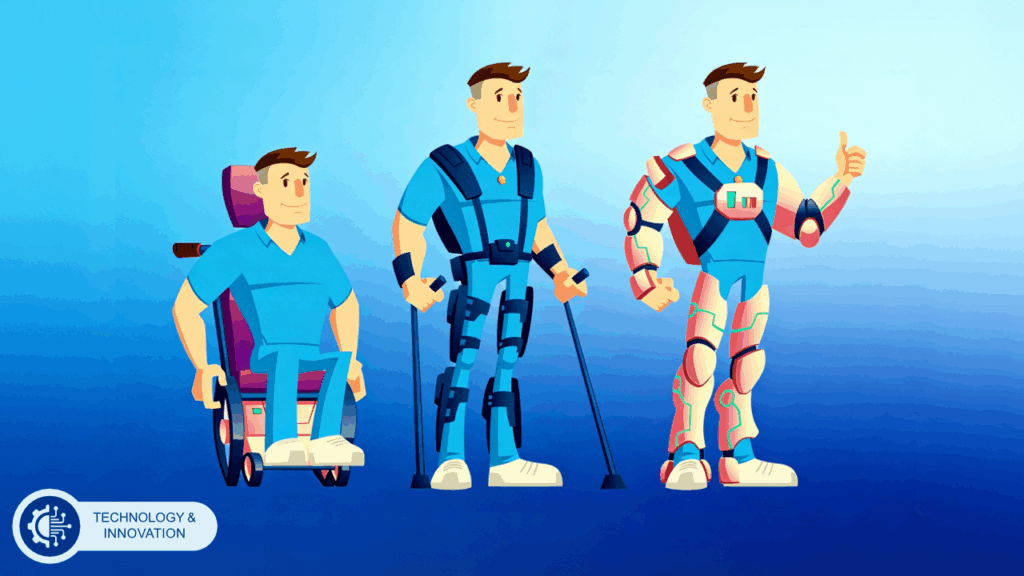
Investigating the use of robotic exoskeletons in rehabilitation therapy for stroke patients is a multi-faceted topic that can greatly benefit from the integration of Robotic Process Automation (RPA) tools like UiPath. Here’s a structured approach to how you could use UiPath RPA to support such an investigation:
Data Collection
Automated Data Extraction: Use UiPath to scrape data from clinical studies, research articles, and databases related to robotic exoskeletons and stroke rehabilitation. This can include extracting relevant data points such as patient outcomes, therapy duration, and technology specifications.
Surveys and Patient Feedback: Automate the distribution and collection of surveys or feedback forms to stroke patients who have undergone rehabilitation with robotic exoskeletons. UiPath can help in designing and deploying these forms and compiling responses.
Data Organization and Management
Data Categorization: Utilize UiPath to categorize and organize collected data into structured formats. For instance, you can sort studies by type (clinical trials, case studies), patient demographics, or outcomes.
Database Management: Automate the updating of a database with new information as it is collected to ensure that you have a comprehensive and current repository of data regarding robotic exoskeletons in stroke rehabilitation.

Analysis and Reporting
Report Generation: UiPath can be used to automate the generation of reports that synthesize findings from the data collected. You can create templates for reports that summarize key findings, trends, and insights regarding the efficacy of different robotic exoskeleton systems.
Statistical Analysis: Although UiPath is not designed for complex statistical analysis, you can integrate it with other tools (like R or Python) to automate the execution of statistical tests and analysis of the data.

Monitoring and Continuous Improvement
Real-Time Monitoring: If the investigation extends into real-time applications, UiPath can be used to monitor ongoing rehabilitation sessions (if the exoskeletons are equipped with sensors and IoT capabilities) to capture data on patient movements, engagement levels, and compliance.
Feedback Loop: Implement a feedback mechanism through UiPath to continuously update the data and reporting systems based on new findings, patient feedback, or advancements in technology.
Integrating with Healthcare Systems
Electronic Health Records (EHR) Integration: Use UiPath to interface with hospital EHR systems to pull relevant patient data, which can help in assessing the background and medical history of patients undergoing rehabilitation with robotic exoskeletons.
Compliance and Documentation: Automate the generation and management of necessary documentation for compliance with healthcare regulations related to research and rehabilitation therapies.

Stakeholder Collaboration
Communication Automation: Use UiPath to automate communication with stakeholders involved in the investigation, such as clinicians, researchers, and patients. This can include scheduling meetings, sending updates, or sharing collected data.

Conclusion
By utilizing UiPath RPA in the investigation of robotic exoskeletons for stroke rehabilitation, you can streamline many of the administrative and logistical tasks involved in research. This allows researchers and healthcare professionals to focus more on analysis and patient care rather than manual data management. The insights gained can ultimately lead to improved rehabilitation strategies and better outcomes for stroke patients.