Today’s world is a digital-driven world. All organizations are dependent on information technology systems for the execution of their day-to-day business operations. Information technology maintenance is therefore a significant aspect that helps in the efficiency and functionality of information technology systems. Information technology maintenance is significant for organizations in enhancing aspects of productivity. Additionally, information technology maintenance is essential for safeguarding essential business data.
Understanding Information Technology Maintenance
IT maintenance is the process that involves monitoring, managing, and updating information technology infrastructure. IT infrastructure encompasses hardware, software, and databases. IT maintenance, therefore, aims at avoiding system failures before they happen with the intention of extending the lifespan of information technology infrastructure. An IT failure can be referred to as information technology failure.
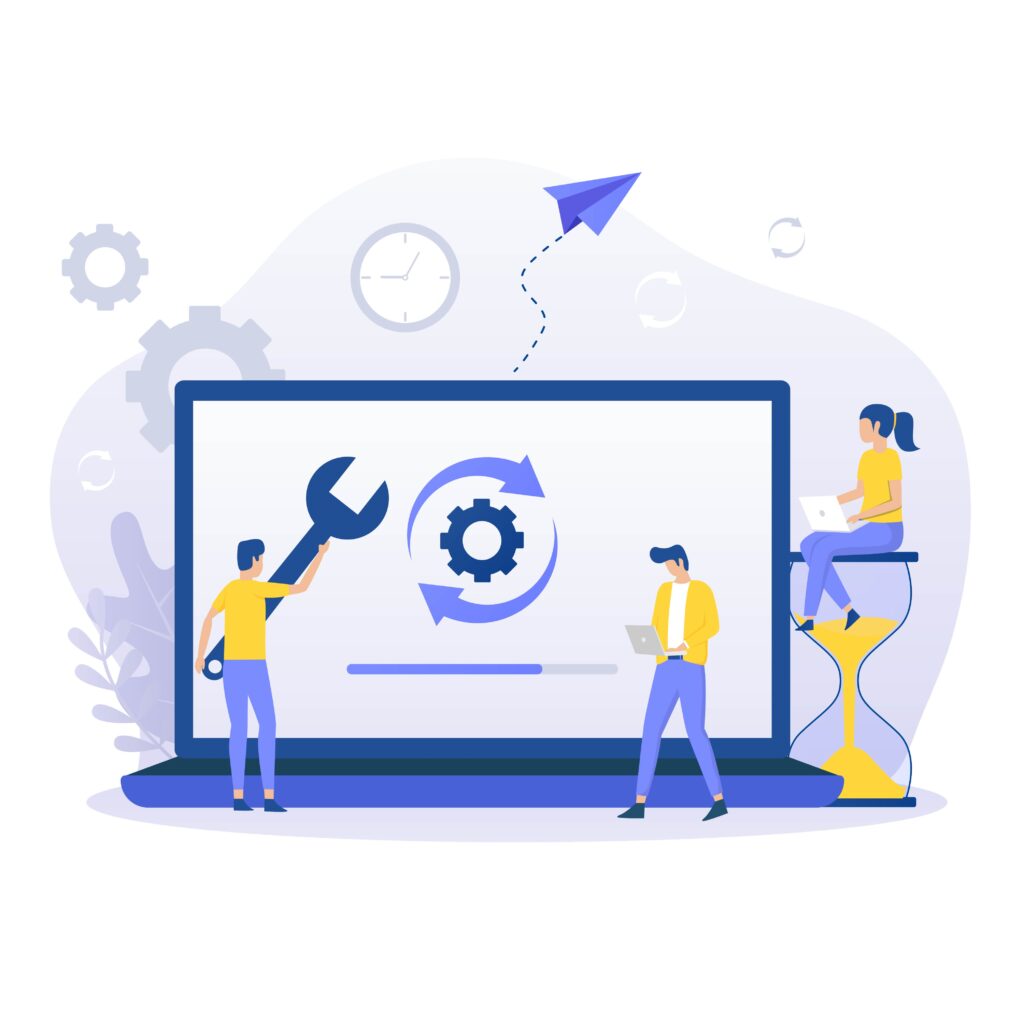
Kinds of IT Maintenance
Preventive Maintenance
Preventive maintenance requires inspections, updates, and system checks to minimize or prevent failures. Examples of this are software updates, security patches, cleaning of hardware, and monitoring performance.
Corrective Maintenance
It is also maintenance that is undertaken once problems arise. It entails debugging hardware problems, debugging software problems, and system recovery after crashes and cyber-attacks.
Adaptive Maintenance
Adaptive maintenance ensures that the IT system is compatible and consistent with the changing needs and demands. Sometimes, the process may include adapting to upgraded systems, transitioning to the cloud environment, and incorporating new applications.
Perfective Maintenance
Perfective maintenance aims at enhancing efficiency and usability through user feedback and ever-changing organizational requirements.
IT Support Services
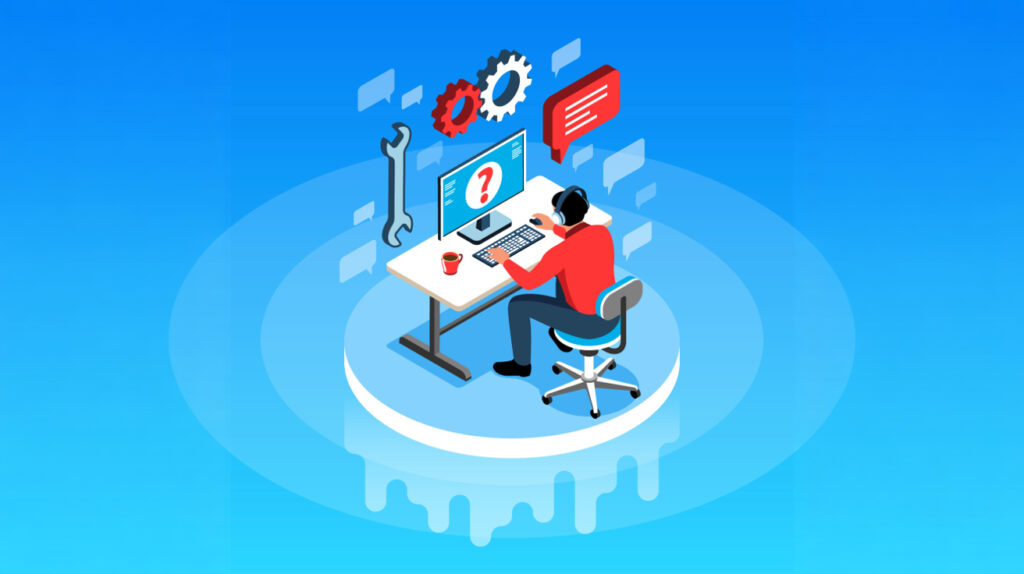
IT support refers to the process of helping people and fixing any IT-related problems that may arise. IT support can be offered either internally or externally.
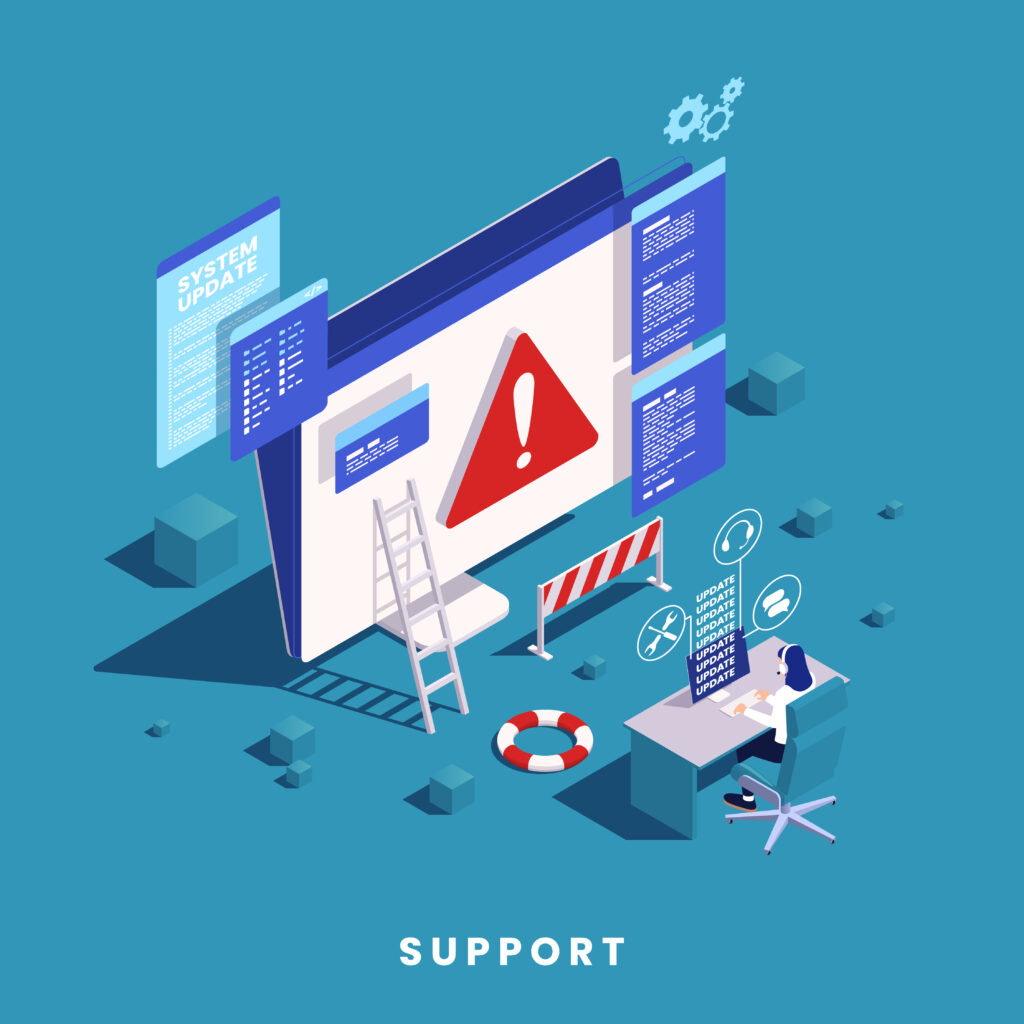
IT Support Levels
- Level 1 (Help Desk Support): Deals with user-related issues such as password retrieval, software installation, etc.
- Level 2 (Technical Support): Handling more complex issues with regards to networking, systems, and applications.
- Level 3 (Expert Support) – It requires professional involvement in dealing with complex issues of systems and matters of security.
Role of IT Maintenance and Support in Today’s World
Minimized Downtime: Unplanned machine failures are avoided, resulting in continuity in business.
Improved Security: The systems are updated and monitored to prevent breaches and cyber-attacks.
Cost Efficiency: Major failure prevention leads to lower costs of repair and an increased lifespan of equipment.
Increased Productivity: Well-functioning systems allow workers to do their work without interruptions.
Scalability and Growth: Properly managed IT infrastructure is scalable and adaptable to any type of organizational or technology evolution.
Best Practices for IT Maintenance and Support
- Implement system monitoring and updates
- Keep thorough documentation
- Utilize automated maintenance and backup solutions
- Organize training sessions for IT personnel as well as end users ● Create an incident response plan and disaster recovery plan
Conclusion
Technology maintenance and support are very significant aspects that determine the continuance of modern-day businesses. The role of IT maintenance is crucial as it guarantees that the systems which these businesses depend on daily are stable, safe, and efficient. Companies that emphasize contemporary maintenance and support strategies have more capacity to adapt to technological changes.