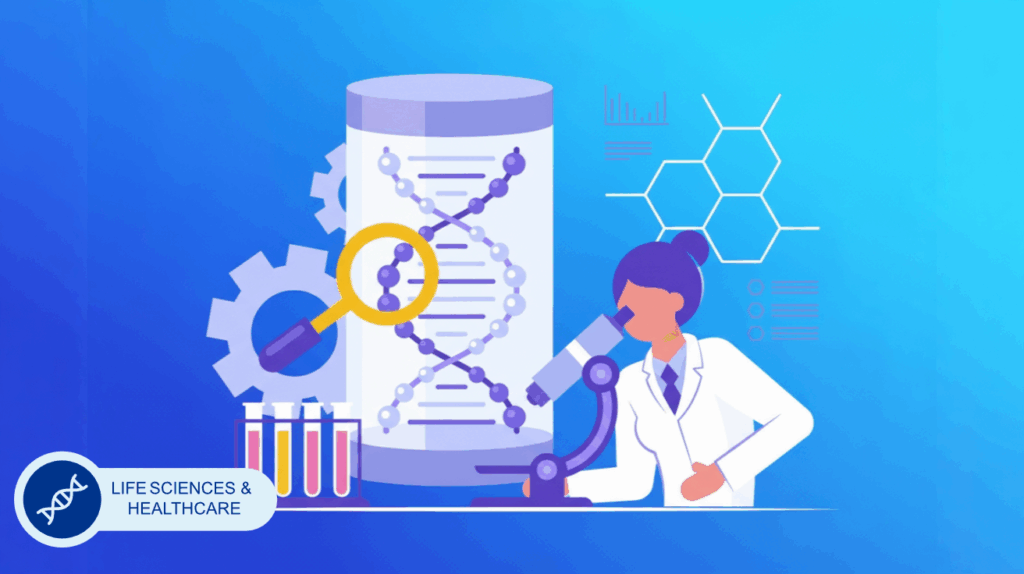

Medical genetics is defined as the field of medicine that studies how health and illness are affected by our genes. It is an indispensable tool for diagnosing, assessing and preventing inherited diseases by methods such as genetic testing, genome sequencing and counseling. Genetic diseases are caused by changes to our DNA and chromosome structure, which may also involve alterations to the number of chromosomes. Such conditions may be inherited from one or both parents or may develop in situ as a spontaneous result of environmental factors such as irradiation, chemicals or smoking. Genetic disorders may depend on their type (chromosomal, multifactorial, or monogenic) and may present symptoms in the newborn or later in life.

Genetic disorders can affect people in diverse ways. Signs may be present at birth or can take months and years to emerge. Diseases like Down syndrome and sickle cell disease are primarily caused by genetic factors, while other diseases like heart disease, diabetes result from genetic and environmental factors. For families that have a history of genetic conditions, genetic counseling, and genetic testing can be useful. Identifying genetic risks allows families to make informed types of decisions about their health and that of their children, including disease prevention through actions and health care planning. While most genetic conditions can’t be cured, many can be managed to ease symptoms and slow their progress through medicine, surgery, therapy, and diet.

Genetic health disorders are on the rise globally, affecting over 8% of the population, according to The Lancet Genetics (2025). Common conditions include beta-thalassemia (1 in 25 carriers), spinal muscular atrophy (1 in 40), sickle cell anemia (1 in 365 births in high-risk areas), cystic fibrosis (1 in 2,500–3,500 newborns), and hemophilia (1 in 5,000 male births). In India, there has been an increase in cases, with institutions like NIMS Hyderabad reporting a 418% increase from 2,400 patients in 2014, to over 12,000 in 2024. A rise in incidence is influenced by factors like inter-family marriages, as well as increasing pollution and lifestyle changes. According to a Times of India article in 2025, there are over 300 children with rare diseases, primarily Lysosomal Storage Disorders, for whom treatment has been delayed due to government policy and bureaucratic hurdles, as well as delays in transferring funds to families.

In conclusion the increasing number of genetically based diseases serves to demonstrate the necessity of incorporating medical genetics into clinical medicine. To reduce this trend in the future, several proactive strategies are essential. Expanding genetic screening and counseling programs, especially in regions with high rates of close family marriages, promoting public awareness about hereditary risks, implementing mandatory newborn screening, and improving access to prenatal diagnostics. Strengthening national health policies for rare diseases and investing in research on gene therapy and precision medicine can also play a crucial role in reducing genetic disease prevalence.