In the world of online health services, personal medical details are now more prized – yet more at risk. When clinics update their tech to match current needs, digital files step into the spotlight, shaping treatment quality while holding private facts close. Each change brings new weight, not only in speed or access, but in how carefully trust is carried forward.
As cyber threats grow more common, protecting patient details goes beyond tech teams. Safeguarding privacy becomes central to good healthcare. Trust between doctors and patients depends on it.
EHR systems are assisting healthcare organizations in meeting rising privacy standards and improving data protection in the following ways:
Secure, Centralized Access
No more scattered files or inconsistent software components with modern EHR systems, which compile all patient records into one secure place. Details are concealed from prying eyes by allowing access only to employees with direct responsibility. Because records are heavily encrypted both in storage and when they are in motion, nothing is left exposed, whether it’s moving or at rest. These configurations, whether local or cloud-hosted, are designed to attack vulnerabilities and are rapidly responsive when threats arise.

Transparent Audit Trails
Each time a person opens a patient file, the system notes their identity, actions taken, followed by exact timing. Such visibility tends to control behavior while discreetly assisting teams in identifying unusual patterns more quickly. The software has hidden logs that facilitate routine checks and make it easier to conduct official reviews or more in-depth investigations.
Built-In Compliance and Encryption
High-end EHR platforms are defined by built-in compliance and encryption, which are shaped by strict privacy regulations such as GDPR, HIPAA, and local laws. Clinics can maintain alignment while maintaining a smooth workflow thanks to secure messaging, permission logging, and rule-based user access. Lawsuits are on the horizon, fines are imminent, and compliance is now a necessity for conducting business.

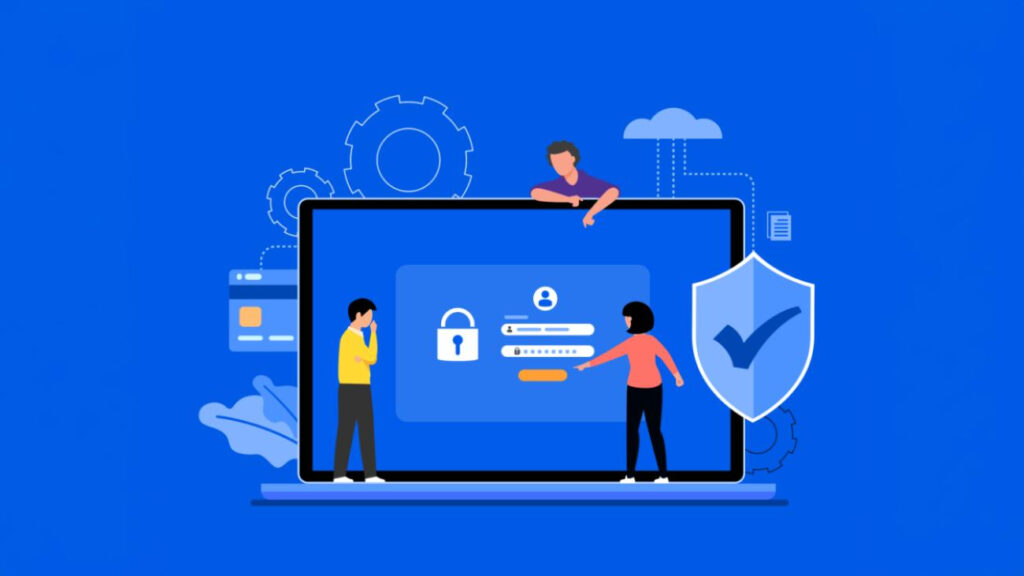
Role-based access with strong authentication
Not every team member needs access to every detail in a patient’s record. Roles in EHRs decide who sees what – keeping info tied to job duties. Combined with multi-factor authentication (MFA), this significantly lowers the risk of internal misuse or accidental exposure of private information.
Protecting patient data is paramount as the healthcare sector transitions to digitalization. Used appropriately, EHRs maintain privacy, meet regulations and build trust between patients and providers. EHRs are more than just a place for storage; they are foundational tools for compliance, security, and patient-centered care. While the systems are quiet behind screens, they shape everyday decision-making by associating privacy policy with what really happens in treatment. Every entry serves as a checkpoint to make sure that actions adhere to empathy and the law.