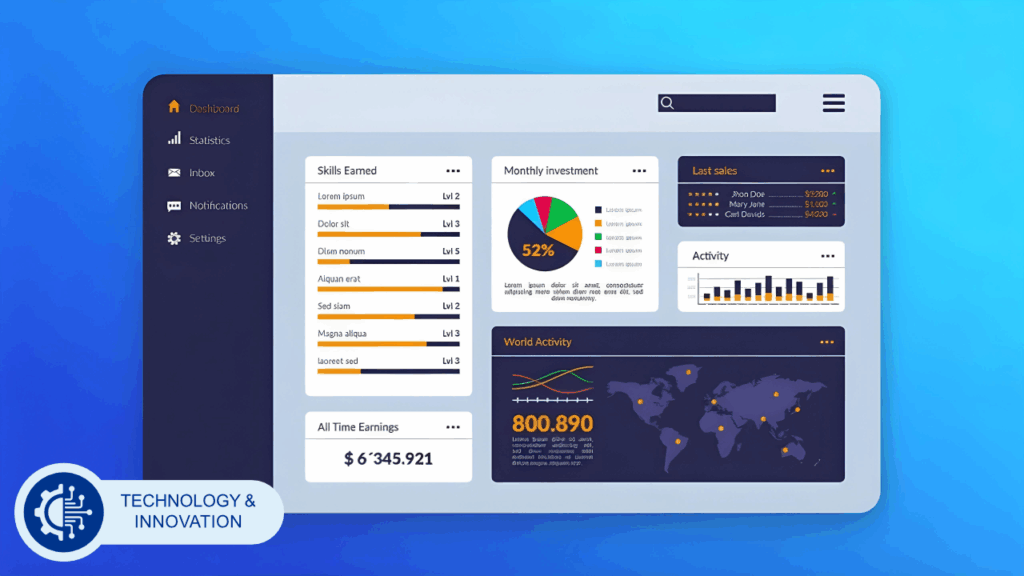
The Growing Importance of Data in Modern Business
In today’s digital economy, companies deal with a huge amount of data every day, and they get a lot of information from sales, customer interactions, operations, and digital platforms. Just collecting data is not enough; the real benefit comes from analyzing the data and using the insights to make business decisions. This is where tools like Microsoft Power BI come in. Microsoft Power BI helps turn data into to-understand reports and dashboards that help teams understand how the business is doing.

The Role of DAX in Business Calculations
DAX is a part of these calculations. DAX is a formula language that helps analysts create formulas that define how business metrics are calculated in a report. While users look at charts, tables, and performance indicators, DAX works behind the scenes to process the data and get information.
Moving Beyond Basic Business Metrics
In organizations, reporting starts with summaries like total sales, revenue, or customer numbers. These metrics give an idea of how the businesses are doing. Decision-makers often need detailed information they might want to know how sales are changing over time, which areas or products are doing best or what factors are affecting Microsoft Power BI business outcomes. DAX makes this deeper analysis possible.
Dynamic and Interactive Analysis with DAX
Analysts can build measures that automatically update when a user interacts with the Microsoft Power BI report, like applying filters choosing a time period or product category. Calculations like year-to-date sales or month-to-month growth update instantly. This dynamic behavior lets users explore the data and generate interactive Microsoft Power BI reports.
Understanding Data Context in DAX
Another important feature of DAX is that it can understand data context. In reporting context means the conditions under which calculations are done, like how the data is filtered or grouped. DAX considers these conditions while doing calculations, which means the same formula can give results depending on what the user chooses. This feature makes it easier to analyze performance across segments and find patterns in the Microsoft Power BI data.
Maintaining Consistency in Reporting
DAX also helps companies keep consistent Microsoft Power BI reports. When important calculations are defined directly in the data model, the same logic can be used across dashboards. Microsoft Power BI reports. This makes sure that KPIs are calculated the way across the organization. As a result the reported numbers have become more reliable and trustworthy.
The Evolving Role of Analytics in 2026
In 2026 as analytics technologies keep improving and new tools simplify data exploration, strong data modeling and clear calculations remain important. Advanced analytics features can help users explore information effectively. Meaningful insights still depend on accurate calculations and structured data models.
Conclusion
The goal of analytics is not just to present numbers but to help organizations understand their performance and make decisions. By supporting calculations and consistent reporting, DAX plays a role, in turning raw data into actionable insights that Microsoft Power BI businesses can use to guide their strategies.